China’s Regional Airport Boom: Growth Amid Losses
China is building airports at a record pace — even though more than three-quarters of its airports operate at a loss.
Originally published by Qdaily in Chinese
By Lianchao LAN
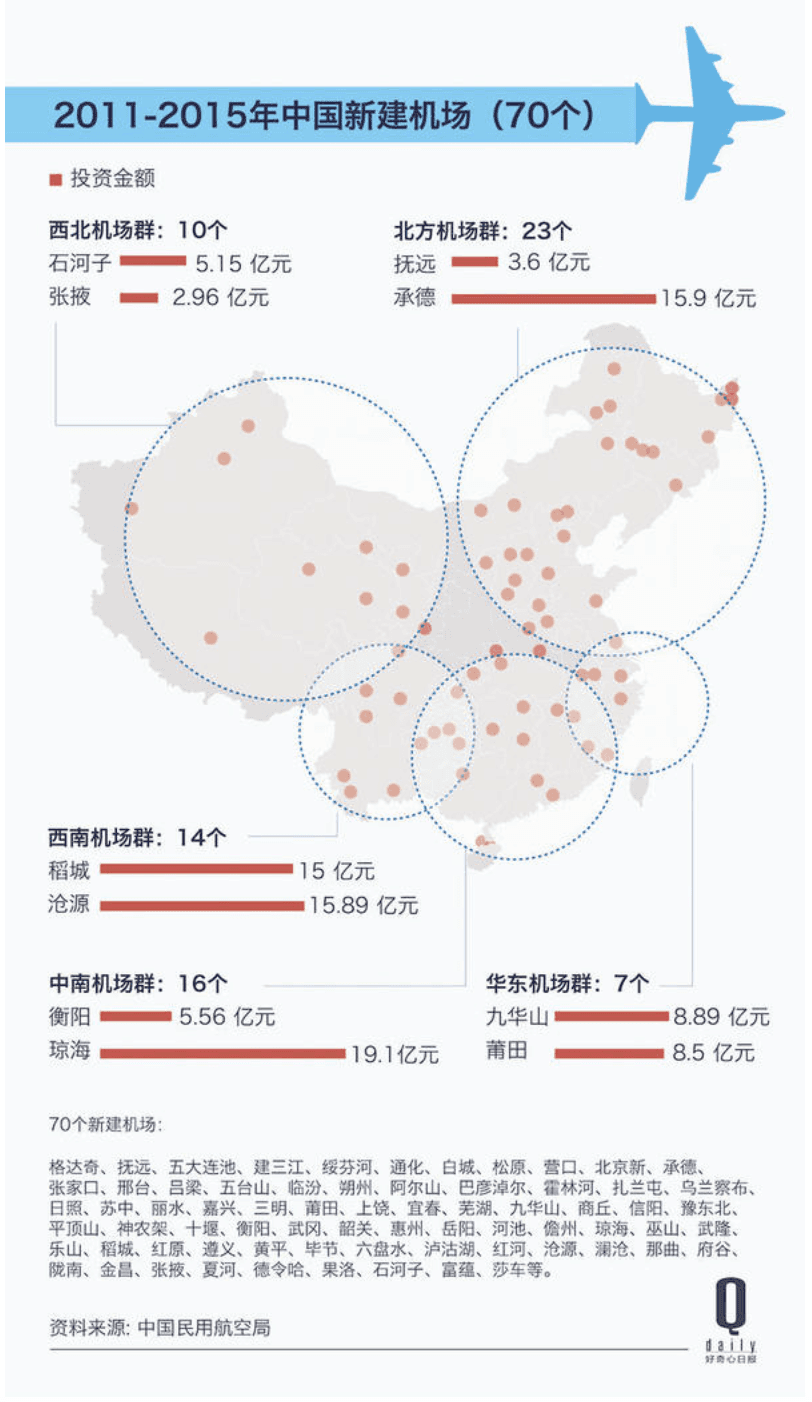
China is building airports at a record pace — even though more than three-quarters of its airports operate at a loss. The newest, Cangyuan Va Autonomous County Airport in Yunnan, cost ¥1.589 billion and operates just three flights a week, cutting travel time to the provincial capital from nine hours by bus to 45 minutes by plane.
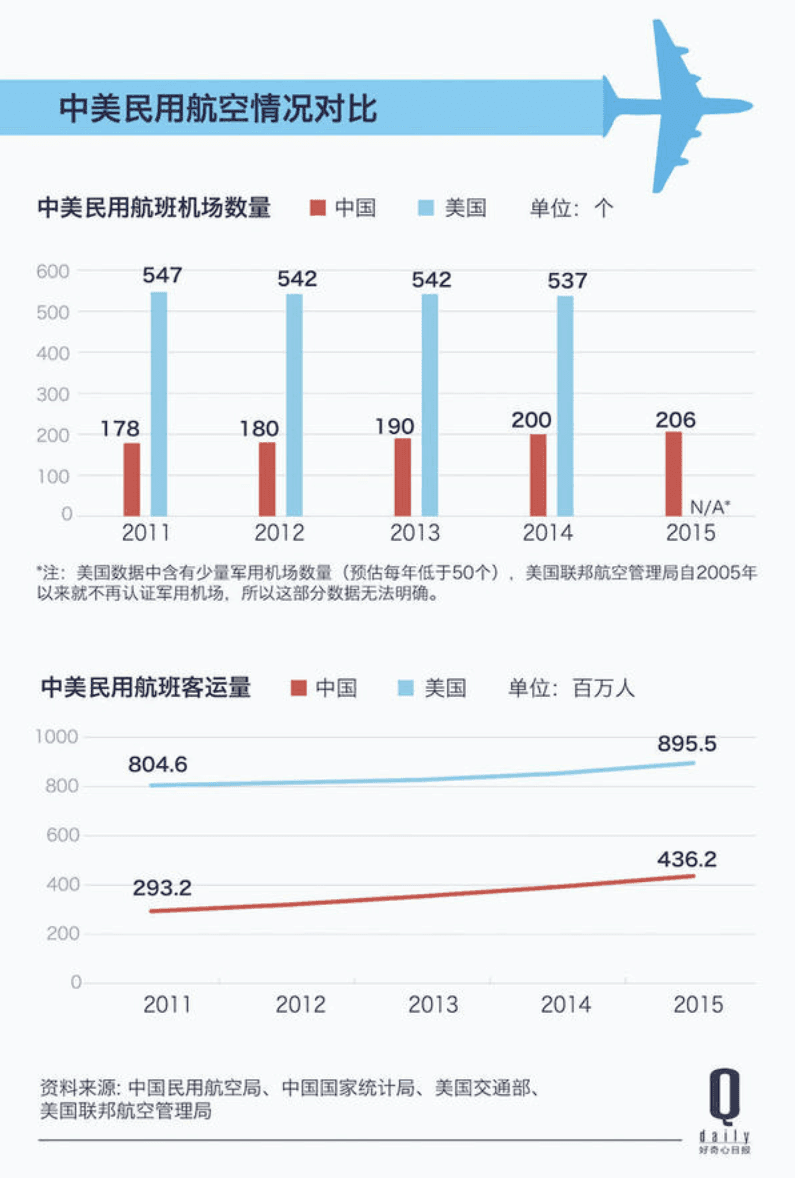
From 2011 to 2015, China opened 70 new airports, mostly in less-developed regions. By 2020, the number of commercial airports was planned to reach 260. While officials argue this expansion supports rapid urbanization and future travel demand — China is projected to overtake the U.S. as the world’s largest air market by 2029 — low passenger volumes make profitability elusive.
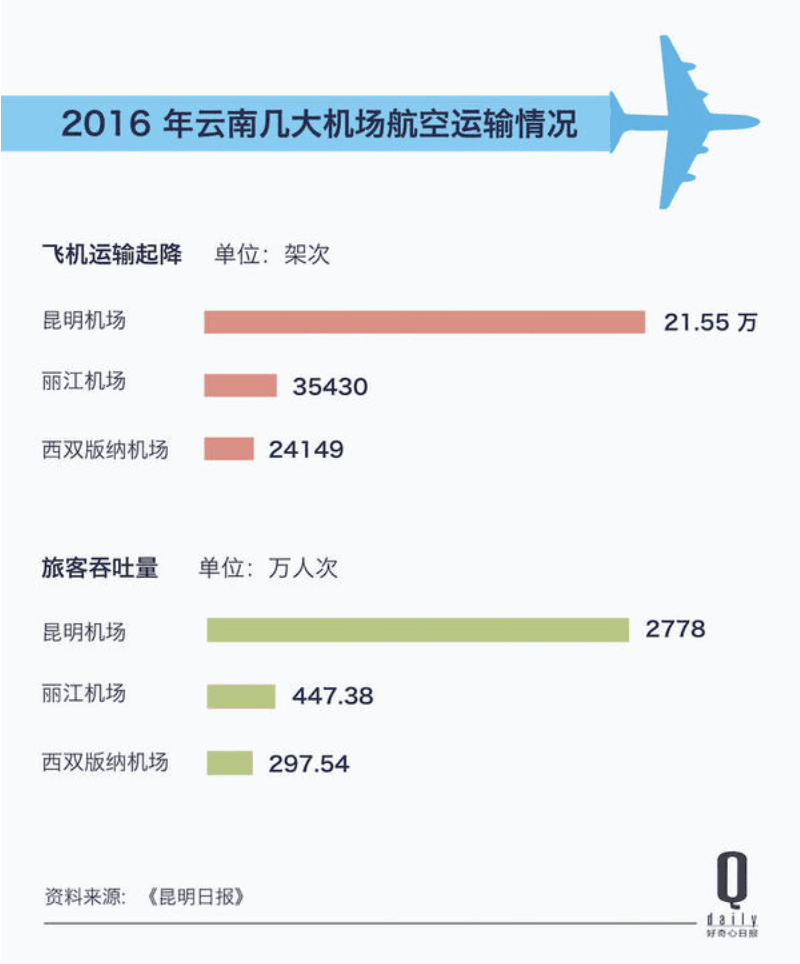
In 2016, the Civil Aviation Administration spent nearly ¥1.3 billion subsidizing loss-making airports. Only major hubs like Kunming, Lijiang, and Xishuangbanna turn a profit; smaller airports struggle with sparse flights and high maintenance costs. Still, local governments see them as catalysts for tourism and regional growth — especially in places like Yunnan, where cultural heritage and scenic landscapes could attract future visitors.