Baijiu and the Youth Dilemma: Can China’s National Liquor Win Over a New Generation?
China’s baijiu industry—home to giants like Moutai, Wuliangye, and Luzhou Laojiao—remains immensely profitable, with revenues in the hundreds of billions of yuan. Yet beneath this success lies an existential challenge: how to connect with younger consumers.
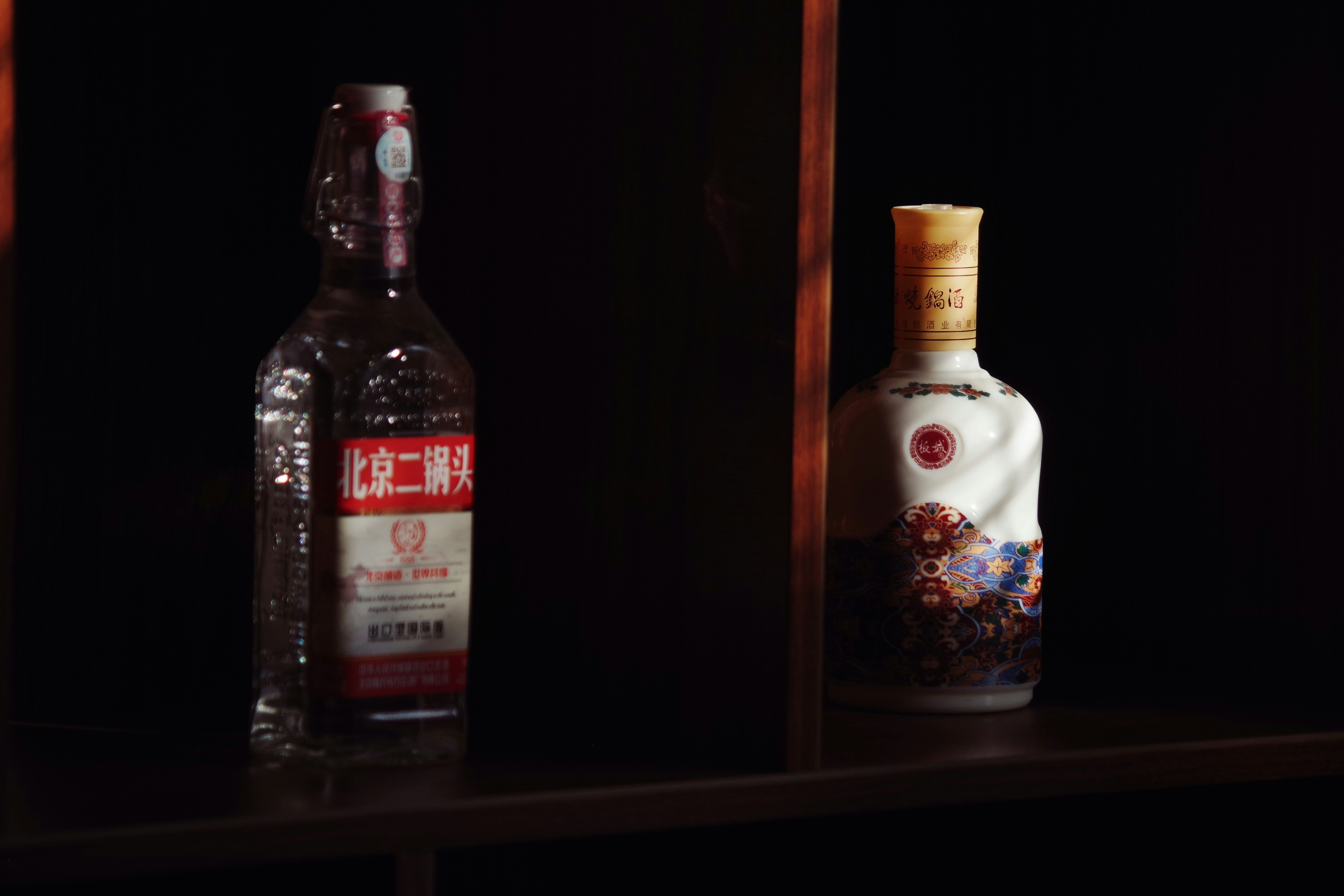
Originally published by Qdaily
By Lianchao LAN
China’s baijiu industry—home to giants like Moutai, Wuliangye, and Luzhou Laojiao—remains immensely profitable, with revenues in the hundreds of billions of yuan. Yet beneath this success lies an existential challenge: how to connect with younger consumers. For many in their 20s and 30s, baijiu is not a lifestyle choice but a relic of their parents’ generation, associated with forced drinking at banquets, the smell of heavy liquor, and social rituals they increasingly reject. Their preferred drinking spaces are small bars serving wine, cocktails, whiskey, and craft beer, not the banquet tables where baijiu dominates.
Sensing this generational divide, producers have experimented with “youth-oriented mini-baijiu” products, anime collaborations, trendy marketing campaigns, and digital ads. Newcomer Jiangxiaobai gained visibility with sleek design, clever slogans, and heavy placement in restaurants, while established firms launched spinoffs like Lu Xiao’er, Dry One Cup, and Yang Xiao’er. But these efforts often created short-lived buzz rather than lasting loyalty. Consumers may admire the branding yet rarely develop a taste for the spirit itself.
The dilemma runs deeper than advertising: baijiu’s cultural identity—its high alcohol content, masculine drinking codes, and association with official banquets—sits uncomfortably with the lifestyles and aspirations of younger Chinese. While the industry is experimenting to ensure survival ten or twenty years from now, the question lingers: can baijiu reinvent itself as part of modern youth culture, or will it remain a gift for elders rather than a drink of choice?