The Myth of “4 Million Medical Students Quitting Medicine” and the Anxiety Behind China’s Healthcare System
In recent years, a striking claim has circulated in China: out of millions of medical graduates, the vast majority have abandoned clinical practice.
Originally published by Qdaily in Chinese
By Lianchao LAN and Jinjing Sun
Introduction
This article is based on firsthand interviews with medical students, young doctors, and researchers, alongside analysis of academic studies and policy debates. It explores both the myths and the realities behind China’s so-called “medical graduate exodus.”
In recent years, a striking claim has circulated in China: out of millions of medical graduates, the vast majority have abandoned clinical practice. This so-called “urban legend” of 4 million medical students turning away from medicine has sparked public fears about access to care and highlighted deep anxieties within the healthcare profession itself.
The Controversy: Attrition or Misinterpretation?
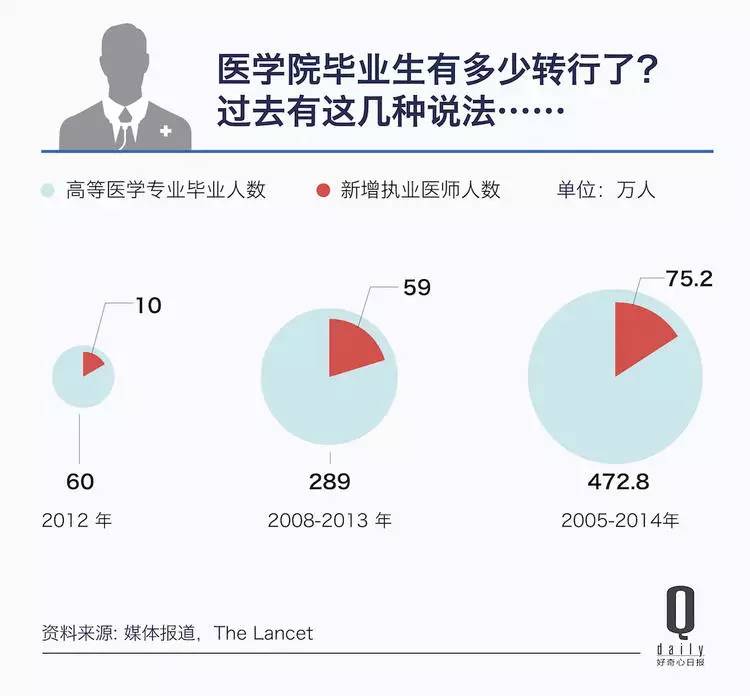
A 2016 Lancet study suggested that from 2004 to 2015, China produced 4.7 million medical graduates, yet only 750,000 became licensed doctors—implying that more than 80% left medicine. While widely cited, critics argue the study misused broad “medical graduate” data, which included fields unrelated to clinical practice. Adjusted estimates suggest a far lower attrition rate, with many medical students still entering hospitals after graduation.
Nevertheless, the idea of a mass exodus resonated because it reflected real concerns: a stressful work environment, long training, modest pay, and tense doctor-patient relations.
Workplace Pressures and Patient Relations
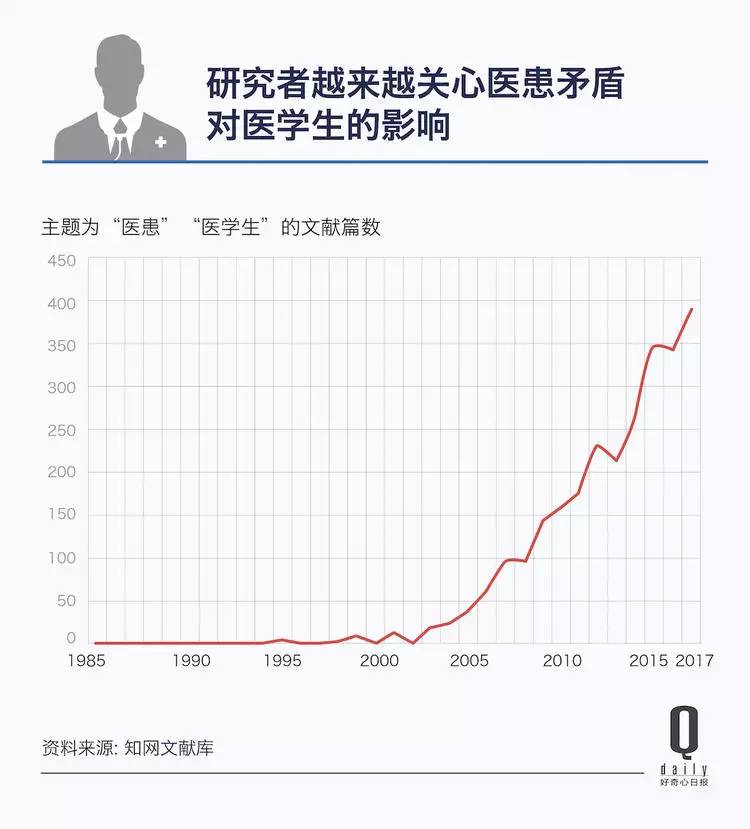
Doctors report not only overwhelming workloads but also rising tensions with patients, including harassment and even violence. Media narratives of doctors being attacked have amplified the sense of professional vulnerability, discouraging some from pursuing clinical careers. However, studies indicate that while medical students are concerned about patient violence, few cite it as the direct reason for switching careers.
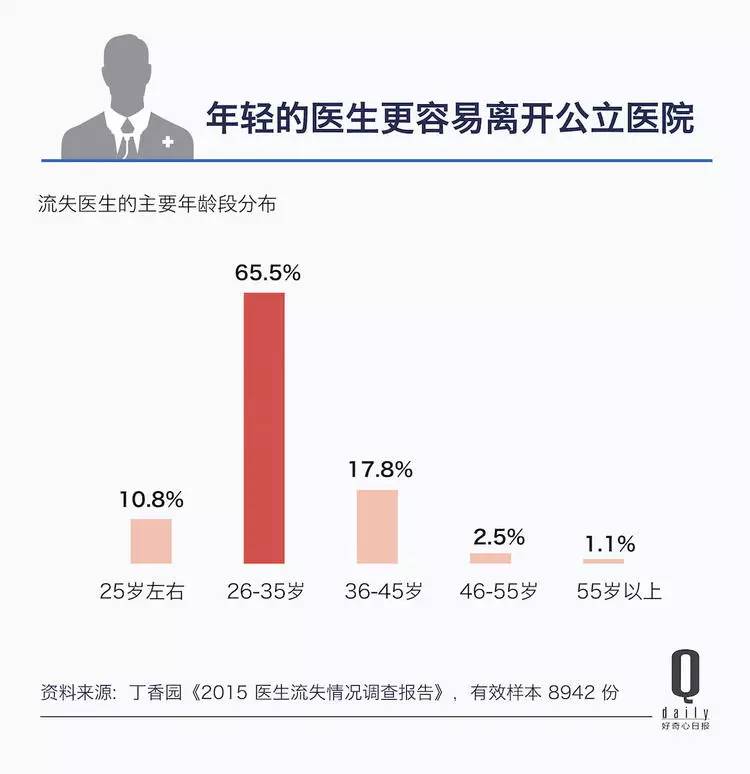
The reality is more nuanced: young doctors face uncertainty about career prospects, unclear income structures, and prolonged training requirements, which have become major deterrents.
The Prestige and Pay Gap
Medicine was once seen as a stable, prestigious profession. Today, many young doctors feel trapped in long training cycles (residency and specialist programs extending up to 15 years), with low pay during junior years—often just 2,000–5,000 RMB per month despite 80–120 hour workweeks.
While some senior specialists earn substantial sums, including informal “gray income,” the disparity is stark. Younger doctors see limited transparency, unpredictable futures, and, compared to opportunities in pharmaceuticals, insurance, or private healthcare, fewer rewards for the sacrifices demanded.
Alternative Career Paths
A growing number of graduates are choosing non-clinical careers:
Pharmaceutical and biotech firms – clinical background valued for drug research, regulatory affairs, and academic support roles.
Private clinics and medical groups – offering more flexibility and entrepreneurial freedom.
Health tech and internet healthcare platforms – combining medicine with digital innovation.
Insurance and health policy sectors – tapping into medical expertise for financial and regulatory work.
Still, these options are mostly available in large cities, while in smaller regions, most graduates continue into clinical practice.
Generational Shifts in Motivation
Parents once pushed children into medicine for stability, but younger generations weigh lifestyle and financial freedom more heavily. Some doctors still encourage their children to follow their path, especially if established in prestigious hospitals, while others warn against it due to stress and low returns.
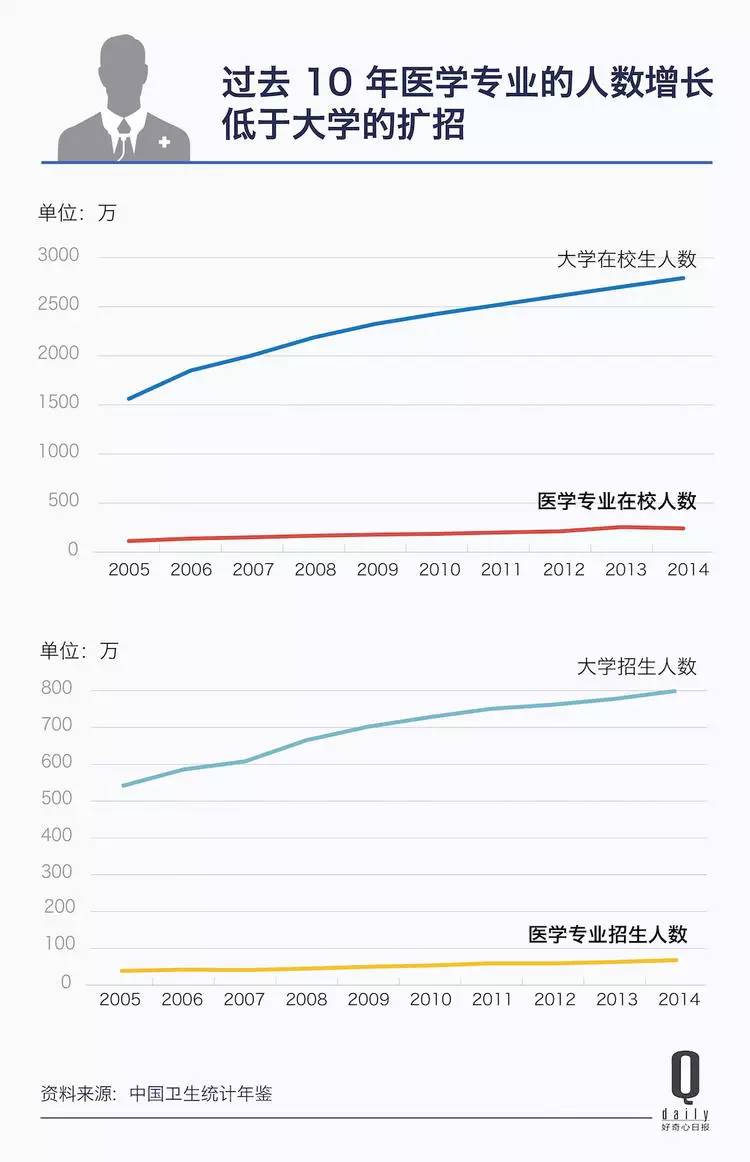
Government reforms have added both opportunities and burdens. Standardized residency and specialist training aim to improve quality but extend the timeline, creating frustration among students. Policies allowing doctors to work across multiple institutions may benefit senior doctors more than newcomers.
Conclusion
The claim that “over 80% of China’s medical graduates quit medicine” is an exaggeration, yet it reflects real unease: young doctors balancing long training, heavy workloads, uncertain pay, and strained patient relationships. While most still enter hospitals, many are eyeing alternatives in pharma, private care, or health tech.
The underlying issue is not simply attrition, but how to make the profession sustainable, respected, and rewarding—so that the next generation sees medicine not as a burden, but as a calling worth pursuing.