Expanding Social Insurance for Informal Workers in China
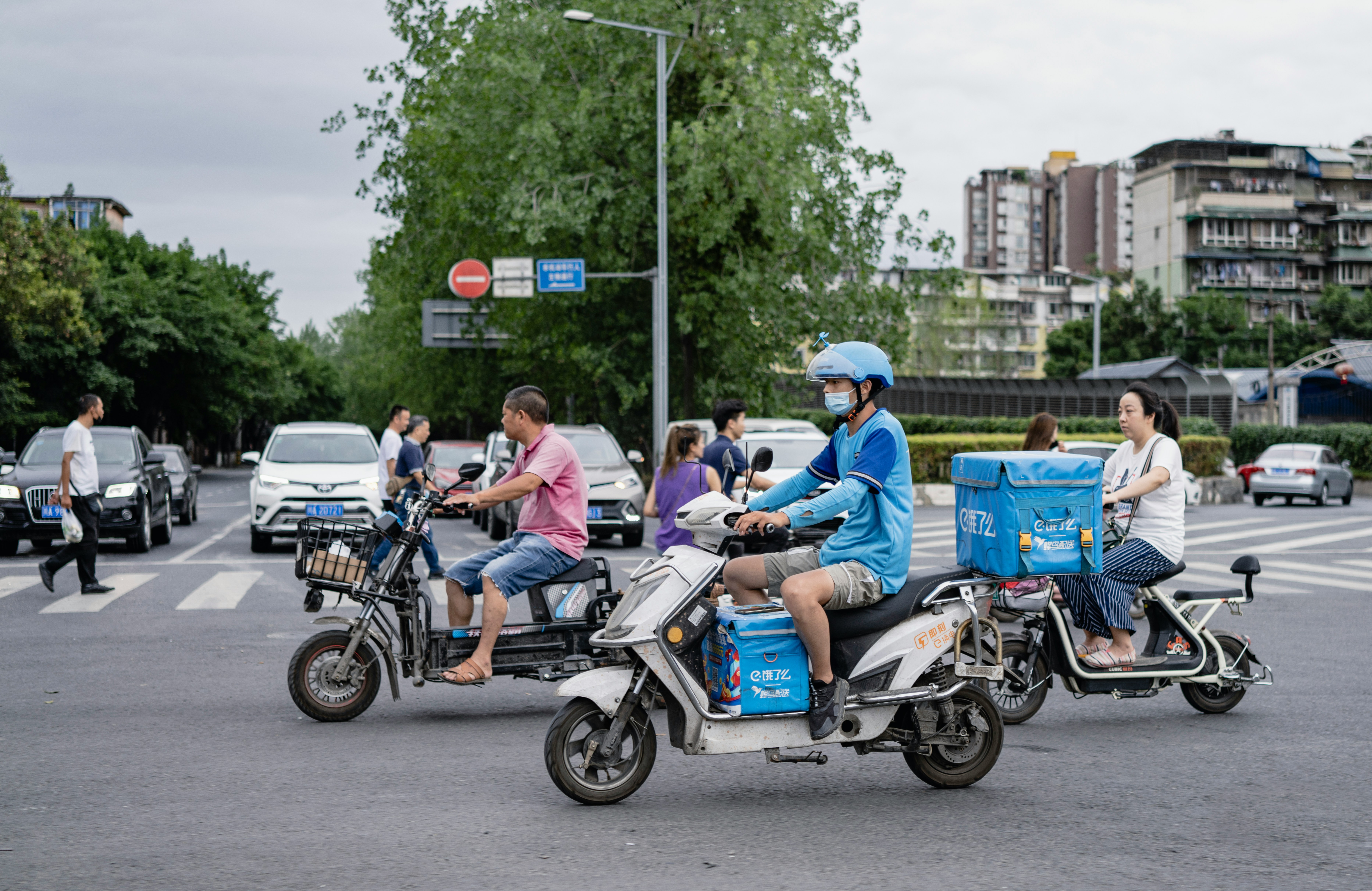
China’s informal economy employs over 200 million people, including self-employed traders, small-scale service providers, migrant laborers, and platform-based gig workers.
Research Context
China’s informal economy employs over 200 million people, including self-employed traders, small-scale service providers, migrant laborers, and platform-based gig workers. Despite their major role in urban economies, most lack adequate pension, health insurance, unemployment, and work injury protection. Existing social insurance schemes are fragmented by region and employment type, with participation largely voluntary for non-salaried workers. Contribution rates are high relative to irregular incomes, and benefits are often not portable across provinces due to the hukou system.
Findings
Low Coverage Rates: Flexible and self-employed workers have significantly lower social insurance participation compared to formal employees.
Affordability and Administrative Barriers: High contribution requirements deter low-income workers; complex enrollment and local rules further discourage participation.
Limited Portability: Benefits are often tied to a single locality, making it difficult for migrant workers to maintain continuous coverage.
Fiscal Constraints: Local governments bear most of the financing responsibility, leading to uneven quality and scope of coverage.
Voluntary Participation Weaknesses: Without mandates or incentives, participation remains low, and risk pooling is insufficient to ensure sustainability.
Policy Recommendations
Centralized Collection and Management
Shift social insurance contribution collection to the national tax authority to improve compliance, expand the contribution base, and enhance portability.
Sector-Based Mandatory Schemes
Implement industry-specific schemes for sectors with large informal or gig workforces, funded by a mix of employer/platform levies and government subsidies.
Flexible Contribution Models
Introduce income-based or progressive contribution rates to improve affordability for low-income workers.
Enhance Benefit Portability
Reform the hukou-linked system to allow workers to transfer benefits across provinces without penalty.
Government Co-Funding in Vulnerable Regions
Increase central government subsidies to underfunded localities to reduce disparities in coverage and benefits.