Policies in Developing Countries for Tackling Climate Risks
This review examines how developing countries address climate risks through social protection, financial instruments, and urban planning, drawing on four key studies.
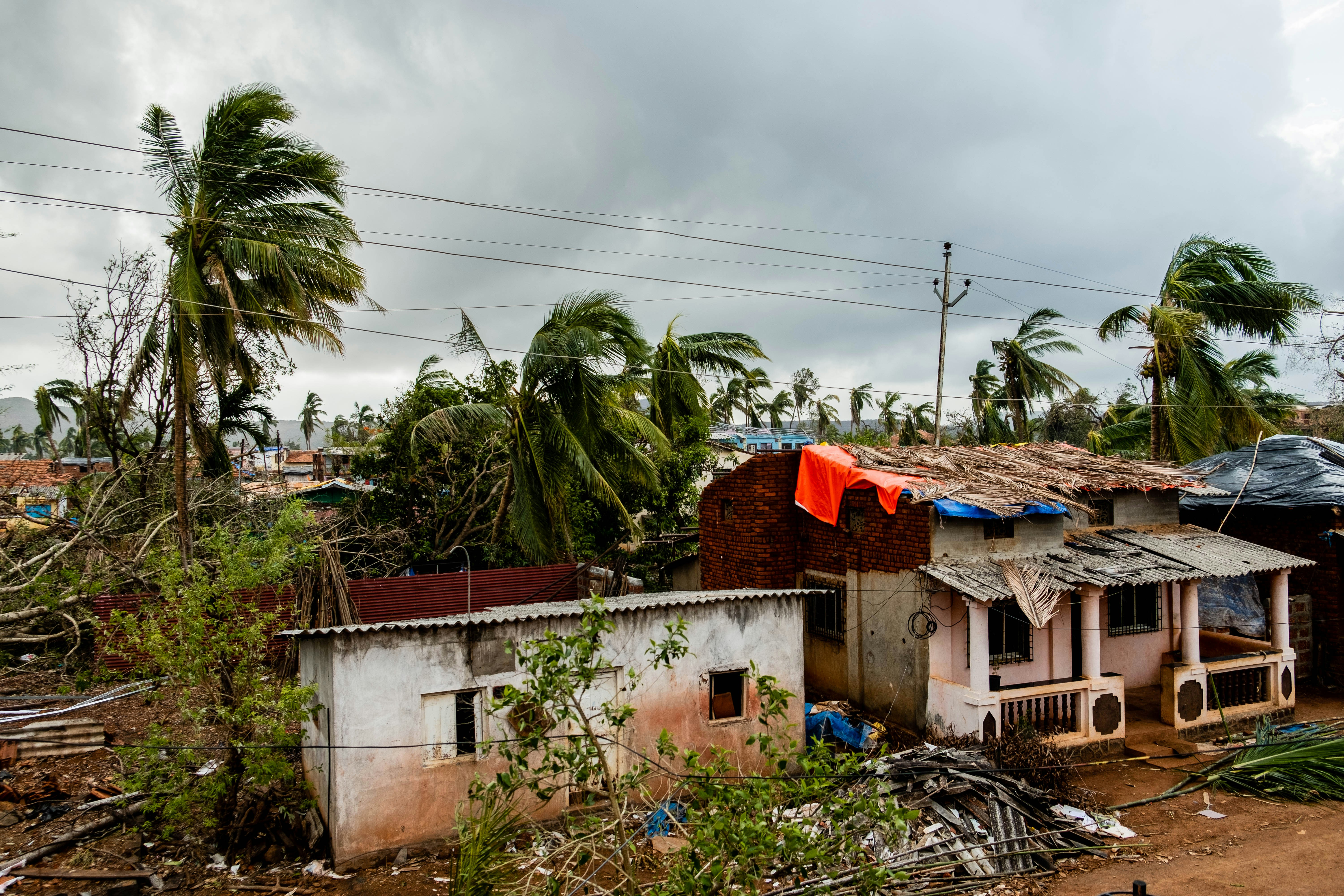
This review examines how developing countries address climate risks through social protection, financial instruments, and urban planning, drawing on four key studies.
🔹 Vulnerability & Social Protection
Socially marginalized groups (women, ethnic minorities, people with disabilities) are most at risk.
Transformative social protection policies should go beyond cash transfers to include long-term livelihood development, accessibility, and inclusive services.
🔹 Wellbeing-Oriented Policy Design
Climate policies must be embedded in development goals, assessed through indicators such as equity, health, food/water access, and education.
Both national- and city-level adaptation frameworks are needed, though inconsistencies remain a challenge.
🔹 Disaster Risk Finance & Insurance
Regional risk pools (Caribbean, Africa, Pacific) help governments finance disaster response.
Accessibility for low-income groups is limited; affordability and governance of payouts remain critical.
🔹 Urban Resilience & Green Development
Rapid urbanization and poor governance aggravate vulnerability.
Transformative approaches—low-carbon infrastructure, coherent urban planning, and poverty reduction—are key to resilience.
⚖️ Key Tensions & Gaps
Balancing economic growth with environmental protection remains difficult.
Limited research on cost-effectiveness of shock-responsive social protection.
Risks of maladaptation (policies that worsen vulnerability) are underexplored.
Heterogeneous contexts across regions and cities mean no “one-size-fits-all” strategy.
📌 Takeaway: Effective climate policies in developing countries require institutional reform, integration of wellbeing indicators, innovative finance, and prioritization of vulnerable populations.